
Pregnancy and childbirth can affect your pelvic floor, abdominal muscles, posture, scars and confidence with returning to exercise. At Littlehampton Natural Health Centre, Amelia Altenburger provides physiotherapy assessment and treatment for a range of postnatal and pelvic health concerns.
Amelia is an HCPC-registered physiotherapist with additional training in pelvic health through POGP (Pelvic, Obstetric and Gynaecological Physiotherapy) and training through Mummy MOT, alongside further continuing professional development in areas including postnatal recovery and caesarean-section scar management.
Please note that Amelia is not a certified Mummy MOT practitioner and does not provide the branded Mummy MOT® assessment. Appointments are provided and booked as pelvic health or postnatal physiotherapy and are tailored to your individual symptoms and goals.
Book a new-patient appointment
Who can benefit from postnatal physiotherapy?
You do not need to have a specific diagnosis to ask for help. You may benefit from an assessment if you are experiencing:
- Pelvic floor weakness or difficulty activating your pelvic floor
- Leaking when coughing, sneezing, laughing or exercising
- Bladder urgency or frequency
- Symptoms of pelvic heaviness or bulging
- A tummy gap (diastasis recti) or concerns about your abdominal recovery
- Discomfort or restriction around a caesarean or perineal scar
- Back, pelvic girdle or hip pain following pregnancy or childbirth
- Pain or discomfort during or after sexual intercourse
- Difficulty returning to exercise because of pelvic floor or abdominal symptoms
- Concerns about returning to running, gym classes, Pilates or lifting
- General concerns about your postnatal recovery
Although many people seek physiotherapy in the first few months after having a baby, it is never “too late” to ask for an assessment. Postnatal symptoms can continue for months or years after childbirth.
What happens during your appointment?
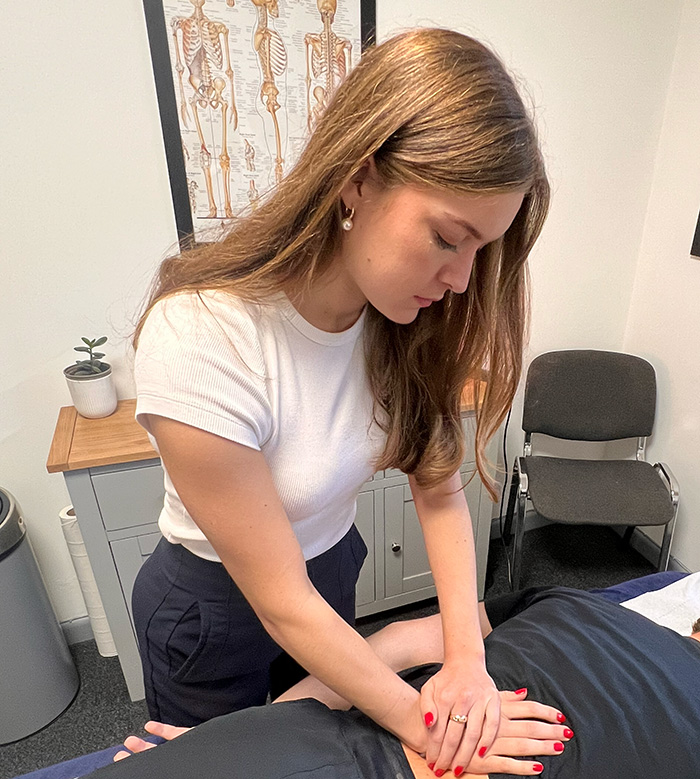
Your appointment begins with a detailed discussion about your symptoms, pregnancy and birth history, bladder and bowel health, exercise, daily activities and what you would like to achieve.
Depending on your individual concerns, your physiotherapy assessment may include your:
- Posture and movement
- Breathing and pressure management
- Abdominal wall and diastasis recti
- Pelvic floor muscle function
- Caesarean or perineal scar
- Strength and functional movement
- Readiness to return to exercise or higher-impact activity
An internal vaginal pelvic floor examination may be offered where clinically appropriate. This can provide useful information about pelvic floor strength, endurance, coordination, relaxation and tenderness.
An internal examination is always optional and will only be carried out with your informed consent. You can decline this part of the assessment and still receive advice, education and appropriate external assessment and treatment.
Abdominal separation and postnatal recovery
Diastasis recti (abdominal separation) is common during and after pregnancy.
Assessment is not simply about measuring the size of the gap. Amelia can assess how your abdominal wall responds to breathing, movement and load, and help you progressively rebuild abdominal strength and confidence.
Exercises can then be adapted to your current ability, symptoms and goals.
Caesarean-section recovery and scars
A caesarean birth affects several layers of tissue within the abdominal wall, and some people experience tightness, sensitivity, altered sensation or discomfort around their scar.
Where appropriate, your physiotherapy assessment can include the abdominal wall and caesarean scar. Advice may include scar management, desensitisation, movement and progressive abdominal rehabilitation.
If there are concerns about wound healing, infection or another problem requiring medical assessment, you will be advised to contact your GP or appropriate healthcare professional.
Returning to exercise after having a baby
Returning to running, gym training and higher-impact exercise after childbirth should be individual.

Symptoms such as urinary leakage, pelvic heaviness, pain or difficulty controlling abdominal pressure can indicate that further rehabilitation may be useful before progressing.
Amelia can assess your pelvic floor, abdominal function, strength and movement and help you develop a gradual programme towards the activities that matter to you.
Meet Amelia Altenburger
Amelia graduated from the University of Chichester with a BSc in Physiotherapy and is registered with the Health and Care Professions Council (HCPC).
Alongside treating musculoskeletal conditions, Amelia has developed a particular interest in pelvic health and postnatal rehabilitation. Her additional professional development includes POGP pelvic health training, the Mummy MOT pelvic floor assessment course, and further CPD relating to postnatal rehabilitation and caesarean-section scar management.
Amelia provides pelvic health and postnatal physiotherapy within the scope of her physiotherapy training and additional professional development.
EmSella and Pelvic Floor Physiotherapy
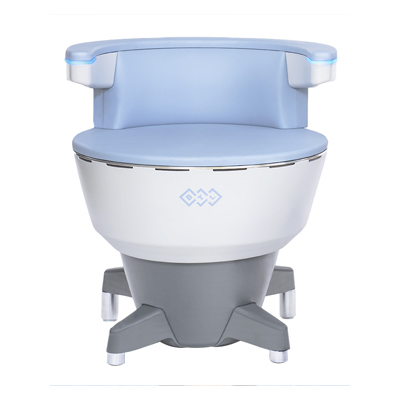
EmSella is also available at Littlehampton Natural Health Centre and may be appropriate for some people experiencing pelvic floor weakness or urinary symptoms.
It is not a replacement for an individual pelvic health assessment and is not appropriate for every pelvic floor problem. For example, strengthening may not be suitable where symptoms relate to an overactive or painful pelvic floor.
Where appropriate, Amelia can assess your symptoms and advise whether physiotherapy, EmSella or another course of action is likely to be most suitable.
Fees
Booked as physiotherapy. Reception can confirm if a longer first visit is more appropriate.
- Free short assessment
- New-patient physiotherapy appointment — £60
- 30-minute follow-up — £50
- Plan of 6 × 30-minute sessions — £270
Some physiotherapy appointments can be claimed on private medical insurance. Cover varies by insurer, excess and authorisation — check your policy and speak to reception if you plan to claim. EmSella chair sessions are not billed as physiotherapy.
Practicalities
Littlehampton Natural Health Centre, 10C Granville Road, Littlehampton BN17 5JU. Free on-street parking. Monday to Thursday 09:00–12:30 and 14:00–18:00; Friday 09:00–13:00 and 14:00–17:00; Saturday and Sunday closed.
Arrive a few minutes early; first visits often need forms. You may bring a baby — tell reception when you book.
Frequently asked questions
Do you offer the official Mummy MOT® assessment?
No. Amelia has undertaken the Mummy MOT pelvic floor assessment course as part of her additional pelvic health training, but she has not completed the separate Mummy MOT practitioner qualification.
We therefore do not offer the branded Mummy MOT® assessment.
Instead, Amelia provides individual postnatal and pelvic health physiotherapy assessments based on your symptoms, concerns and goals.
Can you assess my pelvic floor?
Yes. Amelia has undertaken additional pelvic floor assessment training through POGP and Mummy MOT.
An internal vaginal examination may be offered when clinically appropriate and with your consent. It is entirely optional.
Can I come after a caesarean birth?
Yes. A postnatal physiotherapy assessment can include your abdominal wall, movement, pelvic floor and caesarean scar where appropriate.
Can you check my abdominal separation?
Yes. Amelia can assess diastasis recti and, importantly, how your abdominal wall functions during breathing, movement and exercise. Rehabilitation can then be tailored to your individual needs.
Can you help me return to running or the gym?
Yes. If pelvic floor or abdominal symptoms are affecting your return to exercise, physiotherapy can help identify areas that may need rehabilitation and provide a progressive exercise plan.
Is postnatal physiotherapy only for people who have recently had a baby?
No. Pelvic health, abdominal and musculoskeletal symptoms related to pregnancy and childbirth can persist for months or years. You can still seek physiotherapy even if it has been a long time since you gave birth.