
Physio

Mummy MOT in Littlehampton: postnatal physiotherapy after birth

Amelia Altenburger, HCPC-registered physiotherapist at Littlehampton Natural Health Centre

A Mummy MOT-style appointment is a structured postnatal physiotherapy check: tummy muscles (including any gap), pelvic floor, posture and how you are coping with lifting, feeding, walking and exercise. At Littlehampton Natural Health Centre it is provided by Amelia Altenburger, an HCPC-registered physiotherapist who has completed additional training with Mummy MOT and POGP (Pelvic, Obstetric and Gynaecological Physiotherapy).

There is a dedicated Mummy MOT in Littlehampton service page. Appointments are booked as pelvic floor physiotherapy; the current pelvic floor physiotherapy in Littlehampton page has the wider clinical picture.

This is not a luxury add-on, and it is not a substitute for your GP six-week check. It is clinical physiotherapy time for the body that has been through pregnancy and birth — including caesarean.

Book a free short assessment

Book a new-patient appointment

Call 01903 734373

Who it is for

People come from Littlehampton, Rustington, East Preston, Angmering, Arundel, Bognor Regis and Worthing with symptoms such as:

  • A tummy gap (diastasis of the abdominal muscles) that still domes or feels unsupported
  • Leaking with a cough, laugh, sneeze, run or jump
  • Heaviness or bulge (prolapse symptoms)
  • Pain with sex, or discomfort around a perineal or caesarean scar
  • Back, pelvic or hip pain that started in pregnancy or after birth
  • Uncertainty about when it is sensible to return to running, HIIT, Pilates or heavy lifting

Mummy MOT materials often suggest a first specialist check around six to eight weeks after birth, once you have had your GP postnatal appointment. Amelia also sees people months or years later. “I had my baby three years ago” is a valid reason to book.

You do not need a GP letter to book privately. If something needs your GP or a specialist referral, Amelia will say so.

What Amelia actually checks
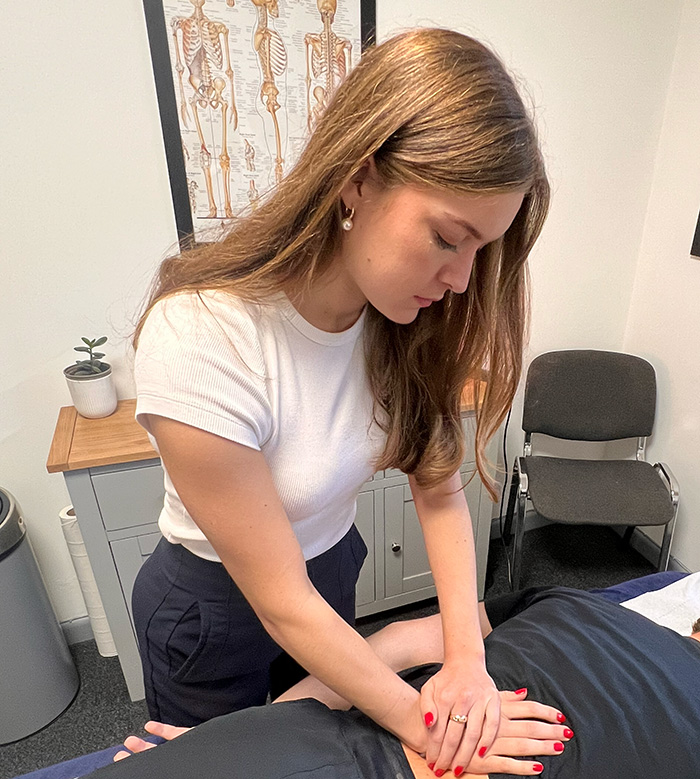
Amelia Altenburger during a pelvic health physiotherapy appointment in Littlehampton

A typical first visit is a conversation and an examination, never without consent. Amelia takes a history of pregnancy, birth, bladder, bowel, scars, feeding positions and what you want to get back to. She looks at posture, breathing and the abdominal wall, including any separation. Pelvic-floor assessment may include an internal examination because that is the most accurate way to judge lift, tone and tenderness. You can decline and still receive education and external work. You may bring a chaperone or your baby if that helps you attend — tell reception when you book so we can plan the room.

You should leave with a clear sense of what is going on, what to stop doing (for example, poorly timed sit-ups or running through leakage), and a home programme matched to your day with a baby, not a generic printout.

Return to exercise is individual. Leaking, heaviness or a widening tummy gap on impact is a reason to pause and be assessed, not to “get back to it”. Amelia will advise when running or loaded work is sensible for you. This clinic will not give a one-size return-to-sport date in a blog post.

Where EmSella fits — and where it does not

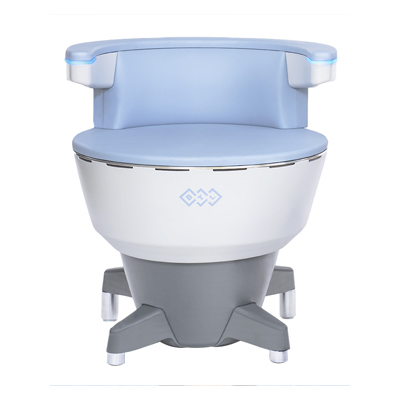
The EmSella chair is at this clinic, not a Chichester referral. It can later help load a weak pelvic floor in a clothed 30-minute session. It is not the first appointment if you also have tummy-gap, scar, pain or coordination problems. EmSella is not automatically right for pelvic pain, a tight floor, or every bladder problem. Amelia consults before any course of chair sessions (free preliminary call, then a £45 consultation).

Fees and how to book

There is no separate Mummy MOT price on our list. Appointments are booked as physiotherapy. A free short assessment is available. A new-patient appointment is £60. Follow-up 30-minute sessions are £50; a plan of six is listed at £270. Reception can confirm the most suitable slot. Some physiotherapy can be claimed on private medical insurance; cover varies, so check your policy. EmSella is not claimed as physiotherapy.

Amelia’s training and approach are on her practitioner profile. Littlehampton Natural Health Centre, 10C Granville Road, Littlehampton BN17 5JU. Monday to Thursday 09:00–12:30 and 14:00–18:00; Friday 09:00–13:00 and 14:00–17:00; Saturday and Sunday closed. Free on-street parking.
Book a free short assessment

Book a new-patient appointment

Call 01903 734373

reception@lnhc.co.uk

Pelvic floor physiotherapy vs EmSella: assessment, coaching or loading?

People often ask whether they need pelvic floor physiotherapy or the EmSella chair. They are not the same appointment, and one is not a cheaper version of the other. At Littlehampton Natural Health Centre both are provided by Amelia Altenburger, an HCPC-registered physiotherapist. Many people do both. The useful question is which to start with.

Physiotherapy answers “what is going on, and can you use the muscle well?”. EmSella is one way to load a weak pelvic floor once that question is answered. Neither is automatically right for pelvic pain, a tight floor, or every bladder problem. Amelia consults first.

Service detail lives on the two existing pages: pelvic floor physiotherapy in Littlehampton and EmSella pelvic floor treatment in Littlehampton. This article is the comparison.

Amelia Altenburger during a pelvic health physiotherapy appointment in Littlehampton

What pelvic floor physiotherapy is for

A physiotherapy appointment is clinical time: history, examination and a plan you can follow at home. Amelia looks at breathing, the abdominal wall, scars, posture and how you try to “do a Kegel”. An internal vaginal examination may be offered because it is the most accurate way to judge lift, tone and tenderness. It is optional. You can decline and still receive education and external work. You may bring a chaperone.

Treatment may include teaching a correct contraction and a correct relaxation — tight is not the same as strong — plus strength or endurance work, or down-training for an overactive floor. Manual therapy to the abdomen, pelvis or pelvic-floor muscles is used where appropriate, with advice on bladder and bowel habits, lifting, running return and sex.

Start here if you cannot find the muscle, have pain, prolapse symptoms (heaviness or bulge), scarring, postnatal tummy-gap concerns, or you have never had a proper assessment.

A free short physiotherapy assessment is available. A new-patient appointment is £60. Follow-up 30-minute sessions are £50; a plan of six is listed at £270. Reception can confirm the most suitable booking.

Some physiotherapy appointments can be claimed on private medical insurance, depending on your policy. Cover varies by insurer and by treatment. See our private medical insurance page and speak to reception if you plan to claim. EmSella chair sessions are not billed as physiotherapy, and we do not invite you to claim them as physio.

EmSella chair at Littlehampton Natural Health Centre

What EmSella is for

EmSella is a clothed 30-minute chair session. High-intensity focused electromagnetic energy makes the pelvic-floor muscles contract while you sit. It does not diagnose. It does not teach technique. It does not replace an examination when one is needed.

It can help when weakness is the problem, you can tolerate electromagnetic treatment, and you want additional loading — including when Kegel exercises have been hard to do well. The manufacturer’s “11,000 Kegels” comparison, and published figures such as 95%, 75% and 66% in research summaries, are manufacturer and study figures, not this clinic’s cure rates.

EmSella is not automatically right if the floor is tight, painful or poorly coordinated. Loading a muscle that cannot relax can aggravate symptoms. That is why the booking path is a free preliminary telephone consultation, then a £45 consultation, before any course of chair sessions. Individual sessions are £80; maintenance £66; a 6-plan £396; a 12-plan £792; a review with Amelia £25.

When people do both

A common pattern is physiotherapy first: restore awareness, reduce aggravating habits, and confirm that the muscle needs strengthening rather than calming. EmSella is then added to load the muscle in a clothed session, while you continue the home programme Amelia has set. Some people later use occasional maintenance chair sessions and self-manage with exercise.

The reverse order is less useful if nobody has checked why you leak. We will not sell a chair package before a conversation.

Men are seen in both pathways, including after prostate treatment.

How to choose a first booking

Unsure whether this clinic can help, and you mainly have a physiotherapy question: book a free short assessment. Ready for a full physiotherapy assessment: book a new-patient appointment, £60. Specifically asking about the chair: start with a free EmSella preliminary call, then the £45 EmSella consultation if Amelia agrees it is in the right territory.

If you have tummy-gap, scar or return-to-exercise questions after birth, physiotherapy — including a Mummy MOT-style check — is usually the better first appointment. The chair can wait.

Book a free short assessment

Book a new-patient appointment

Book a free preliminary call

Book an EmSella consultation

Call 01903 734373

Clinic details

Amelia Altenburger, HCPC-registered physiotherapist at Littlehampton Natural Health Centre

Amelia’s profile sets out her training. Littlehampton Natural Health Centre, 10C Granville Road, Littlehampton BN17 5JU. Phone 01903 734373. Email reception@lnhc.co.uk. Monday to Thursday 09:00–12:30 and 14:00–18:00; Friday 09:00–13:00 and 14:00–17:00; Saturday and Sunday closed. Free on-street parking.

Read Amelia’s profile

Who pelvic floor physio helps — and when EmSella or a Mummy MOT is the better first visit

People usually book because something has started leaking, dragging or hurting — a cough, a run, the school run, sex, or the sense that something sits lower than it should. Pelvic floor physiotherapy is the appointment that asks what the muscle is doing, and whether you can use it, rather than handing you a generic Kegel sheet.

At Littlehampton Natural Health Centre, on Granville Road, you see Amelia Altenburger, an HCPC-registered physiotherapist with extra pelvic-floor training through Mummy MOT and POGP. People come from Littlehampton, Rustington, East Preston, Angmering, Arundel, Bognor, Felpham and Worthing who want a private assessment without a long wait.

This is a briefing before you book, not a diagnosis. Fees, FAQs and the full clinical picture sit on our pelvic floor physiotherapy in Littlehampton page.

Amelia Altenburger during a pelvic health physiotherapy appointment in Littlehampton

Who it helps

The pelvic floor supports bladder, bowel and sexual function. Problems show up as leaking, urgency, heaviness, pain, or a muscle you cannot find or cannot let go. Tight is not the same as strong. Some people brace and hold their breath. Others have never been shown a lift that actually lifts.

It may be appropriate if you have:

  • Leaking with a cough, laugh, sneeze, run or jump
  • Urgency, frequency, or difficulty emptying
  • Heaviness or bulge (prolapse symptoms)
  • Pain with sex, tampon use or smear tests
  • Postnatal recovery, including after caesarean, and tummy-gap concerns
  • Pelvic-floor change around menopause
  • Leakage or urgency after prostate surgery — men are seen

You do not need a GP letter to book privately. If we find something that needs your GP or a specialist referral, we will say so.

Embarrassment is the sentence we hear most often in the first minute. Appointments are private. You control the examination. You can bring someone with you.

What happens in the room

A physiotherapy appointment is clinical time: history, examination and a plan you can follow at home.

History. How symptoms started, what you have already tried, pregnancies, surgeries, bladder day and night, bowels, training load, and what you actually want to get back to.

Examination. Usually starts with breathing, the abdominal wall, scars, posture and how you try to “do a Kegel”. An internal vaginal examination may be offered because it is the most accurate way to judge lift, tone and tenderness. It is optional. You can say no and still receive education and external work. You may bring a chaperone. Wear comfortable clothes; you may be asked to undress from the waist down for part of the assessment, with a cover.

Plan. Amelia explains what she found in plain English. Treatment may include teaching a correct contraction and a correct relaxation; strength or endurance work, or down-training for an overactive floor; manual therapy to the abdomen, pelvis or pelvic-floor muscles where appropriate; and advice on bladder and bowel habits, lifting, running return and sex.

You should leave knowing what is going on, what to stop this week, and what to practise.

How this helps — and what it will not do

Physiotherapy answers “what is going on, and can you use the muscle well?”. Start here if you cannot find the muscle, have pain, prolapse symptoms, scarring, a postnatal tummy gap, or you have never had a proper assessment.

For prolapse symptoms, physiotherapy can help you understand the picture, reduce strain, and strengthen support. It does not “put an organ back” in the way surgery might. We will not over-promise.

A common shape of care is a short block rather than open-ended weekly visits: restore awareness, reduce aggravating habits, then build strength or control for a goal — dryness on a run, less urgency, comfortable intercourse, confidence with grandchildren. Amelia should give you a range after the first visit.

When EmSella is an option

The EmSella chair is at this clinic on Granville Road. You do not travel to Chichester for it. It is a clothed 30-minute session that uses electromagnetic energy to load a weak pelvic floor. It does not diagnose. It does not teach technique.

Manufacturer materials describe thousands of contractions per session (often compared with “11,000 Kegels”) and quote research figures such as 95%, 75% and 66% in studied groups. Those are manufacturer and published-study figures, not this clinic’s cure rates.

EmSella is added after assessment if extra loading is likely to help and there are no contraindications. It is not automatically right for pelvic pain, a tight or overactive floor, or every bladder problem. Loading a muscle that cannot relax can make symptoms worse. If the chair is your main question, read the EmSella page; Amelia still consults before a course of sessions.

Many people do both: physiotherapy to assess and coach, then the chair to load the muscle while you continue a home programme.

After birth

If you are postnatal and also have tummy-gap, scar or return-to-exercise questions, a Mummy MOT-style physiotherapy appointment is often the better first visit. There is no separate Mummy MOT fee; we book those visits as pelvic floor physiotherapy. Amelia also sees people months or years after birth. The chair can wait until we know the floor needs loading rather than calming.

Fees and how to book

  • Free short assessment — if you are unsure whether this is the right clinic
  • New-patient physiotherapy appointment — £60
  • 30-minute follow-up — £50
  • Plan of 6 × 30-minute sessions — £270

Some physiotherapy appointments can be claimed on private medical insurance. Cover varies by insurer, excess and authorisation — check your policy and speak to reception if you plan to claim. EmSella chair sessions are not billed as physiotherapy.

Book a free short assessment

Book a new-patient appointment

Call 01903 734373

Who you will see, and where

Amelia Altenburger, HCPC-registered physiotherapist at Littlehampton Natural Health Centre

Amelia graduated from the University of Chichester with a BSc in Physiotherapy and is HCPC-registered. She treats musculoskeletal problems and pelvic health, with further training in Mummy MOT and POGP pelvic-floor courses.

Read Amelia’s profile

Littlehampton Natural Health Centre, 10C Granville Road, Littlehampton BN17 5JU. Free on-street parking. Monday to Thursday 09:00–12:30 and 14:00–18:00; Friday 09:00–13:00 and 14:00–17:00; Saturday and Sunday closed. Email reception@lnhc.co.uk.